Why Restricting Foods Often Backfires
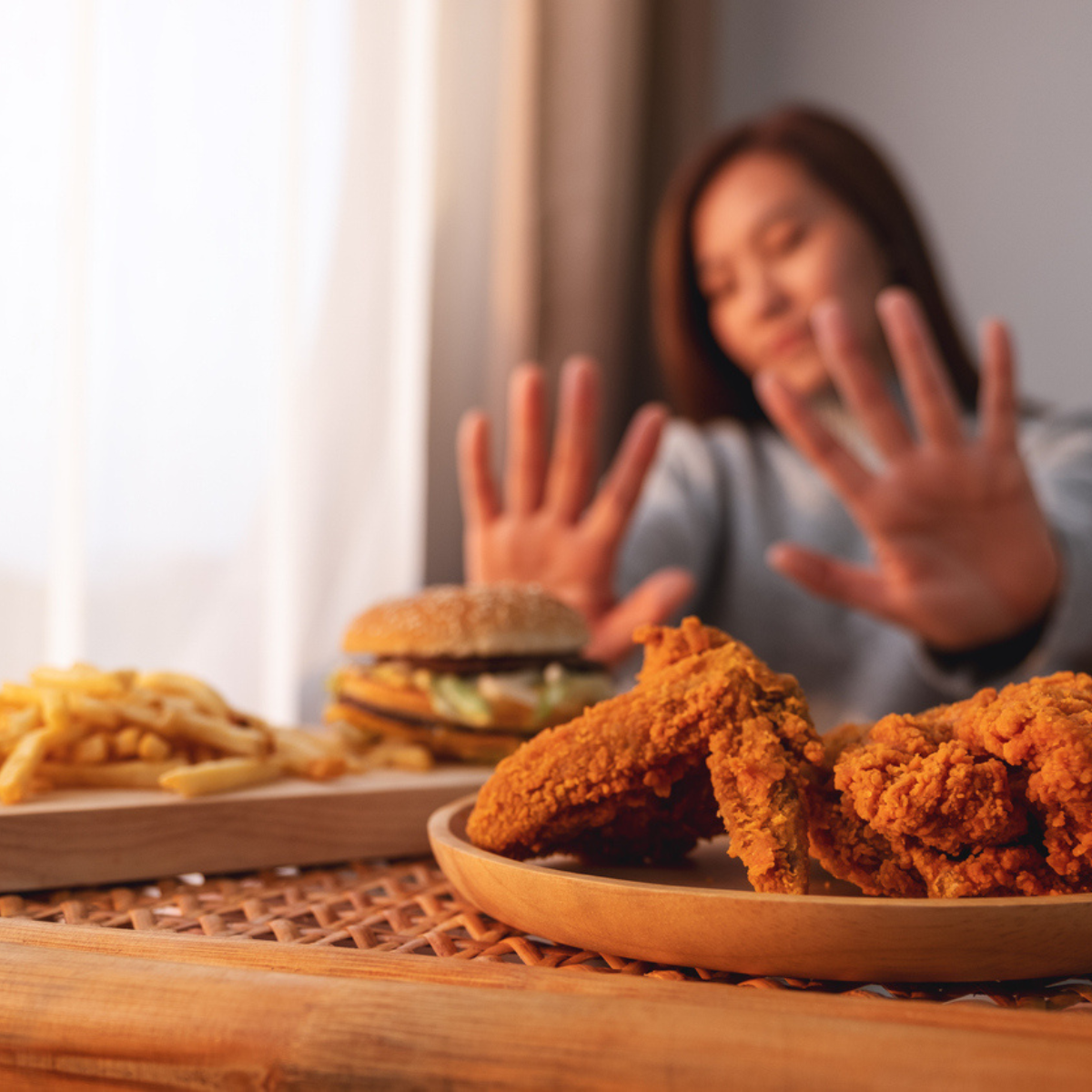
Restricting foods might seem like the key to healthy eating—but it often leads to cravings and overeating. Learn why restriction backfires and what to do instead.
What Food Restriction Really Means
Food restriction isn’t just about dieting.
It can look like:
- Labeling foods as “good” or “bad”
- Avoiding certain foods entirely
- Feeling like you shouldn’t eat something—even when you want to
- Trying to rely on willpower to control food choices
It often starts with good intentions—wanting to be healthier—but can quickly become rigid and hard to maintain.
Why Restriction Feels Like It Works (At First)
In the short term, restriction can feel effective.
You might feel:
- More “in control”
- Motivated and disciplined
- Like you’re making progress
But this phase is usually temporary.
Because underneath the surface, both your body and mind are responding to restriction.
The Restrict–Crave–Overeat Cycle
When you restrict foods, a predictable cycle often follows:
- Restriction
You avoid certain foods or limit how much you eat - Cravings increase
The restricted food becomes more appealing - Overeating or loss of control
You eventually eat the food—often more than intended - Guilt or frustration
You feel like you’ve failed - Back to restriction
You try to be “better” by restricting again
This isn’t a lack of willpower—it’s a natural response.
The Psychology Behind It
The more you tell yourself you can’t have something, the more your brain focuses on it.
This is sometimes called the “forbidden food effect.”
When a food is restricted:
- It becomes more emotionally charged
- You may feel urgency when you finally eat it
- It’s harder to stop at a satisfying amount
Restriction increases the likelihood of feeling out of control—not the other way around.
The Physical Side of Restriction
Your body also responds to restriction.
If you’re not eating enough or cutting out foods:
- Hunger hormones can increase
- Fullness cues can become harder to recognise
- Energy levels may drop
This makes overeating more likely—not because of lack of discipline, but because your body is trying to protect you.
What Happens When You Stop Restricting
When foods are no longer “off limits,” something important happens:
- Cravings often decrease over time
- Foods lose their urgency or “special” status
- You’re more able to eat to satisfaction
At first, it can feel uncomfortable.
But with consistency, your eating becomes more balanced and less stressful.
What a More Balanced Approach Looks Like
Instead of restriction, aim for:
- Including all foods in a flexible way
- Eating regularly throughout the day
- Adding foods you enjoy—not just foods you think you “should” eat
- Paying attention to hunger and fullness (when possible)
This approach supports both physical and mental wellbeing.
Practical Ways to Move Away from Restriction
- Stop labeling foods as “good” or “bad”
- Give yourself permission to eat previously restricted foods
- Build meals that are satisfying—not just “healthy”
- Keep regular eating patterns to reduce extreme hunger
- Notice patterns without judgment
Small shifts make a big difference over time.
The Takeaway
Restricting foods might feel like control—but it often leads to the opposite.
A more balanced, flexible approach helps reduce cravings, improve consistency, and make eating feel easier and more sustainable.
Disclaimer
This content is for general informational purposes only and does not replace advice from a qualified healthcare or nutrition professional. Individual needs, dietary requirements, and health conditions may vary. Always consult a qualified professional for personalised advice.
Estimated reading time: 3 minutes
Table of contents
- What Food Restriction Really Means
- Why Restriction Feels Like It Works (At First)
- The Restrict–Crave–Overeat Cycle
- The Psychology Behind It
- The Physical Side of Restriction
- What Happens When You Stop Restricting
- What a More Balanced Approach Looks Like
- Practical Ways to Move Away from Restriction
- The Takeaway
- Disclaimer
We write rarely, but only the best content.
