
Is Your Gut Trying to Tell You Something?
Most people don’t think about their gut until something goes wrong. And even then, it’s easy to dismiss the signals — blaming a dodgy meal, a stressful week, or just “how you are.”
But your gut is communicating all the time. The question is whether you’re paying attention.
What your gut actually does
Your digestive system does far more than process food. It houses around 70% of your immune system, produces a significant proportion of your body’s serotonin, and is in constant two-way communication with your brain via what researchers call the gut-brain axis.
This means that what’s happening in your gut doesn’t stay in your gut. It can affect your mood, your energy levels, your sleep quality, your skin, and your ability to concentrate — often in ways that aren’t immediately obvious.
Signs your gut might be struggling
Persistent bloating
Some bloating after eating is completely normal, particularly after larger meals or foods high in fibre. But if you’re bloated most days, or if it’s uncomfortable or unpredictable, that’s worth paying attention to. Chronic bloating can be a sign of an imbalance in gut bacteria, food intolerances, or conditions like IBS that respond well to dietary changes.
Irregular digestion
Your body has a rhythm. If yours is consistently erratic — swinging between constipation and loose stools, or simply never feeling quite right — your gut is telling you something. Stress, diet, hydration, and fibre intake all play a role, but so does the composition of your gut microbiome.
Low energy that sleep doesn’t fix
If you’re sleeping enough but still waking up exhausted, your gut may be part of the picture. Poor nutrient absorption — which can happen when the gut lining is compromised — means your body isn’t getting the full benefit of what you eat, even if your diet looks good on paper.
Frequent illness or slow recovery
Given how much of your immune system lives in your gut, a microbiome that’s out of balance can leave you more vulnerable to picking things up, or taking longer to recover when you do. If you seem to catch every bug going, it’s worth considering gut health as a contributing factor.
Skin that reacts to what you eat
The gut-skin connection is well established. Conditions like eczema, acne, and rosacea can all have a gut health component — not for everyone, but for enough people that it’s worth exploring if your skin is consistently reactive and topical treatments aren’t giving you lasting results.
Food feels unpredictable
If the same meal affects you differently depending on the day — sometimes fine, sometimes not — your gut environment may be more disrupted than stable. A healthy gut tends to be a fairly consistent one.
What actually affects gut health
The gut microbiome — the vast community of bacteria, fungi, and other microorganisms living in your digestive system — is shaped by almost everything you do. What you eat is the biggest lever, but sleep, stress, antibiotic use, exercise, and even how much time you spend outdoors all play a role.
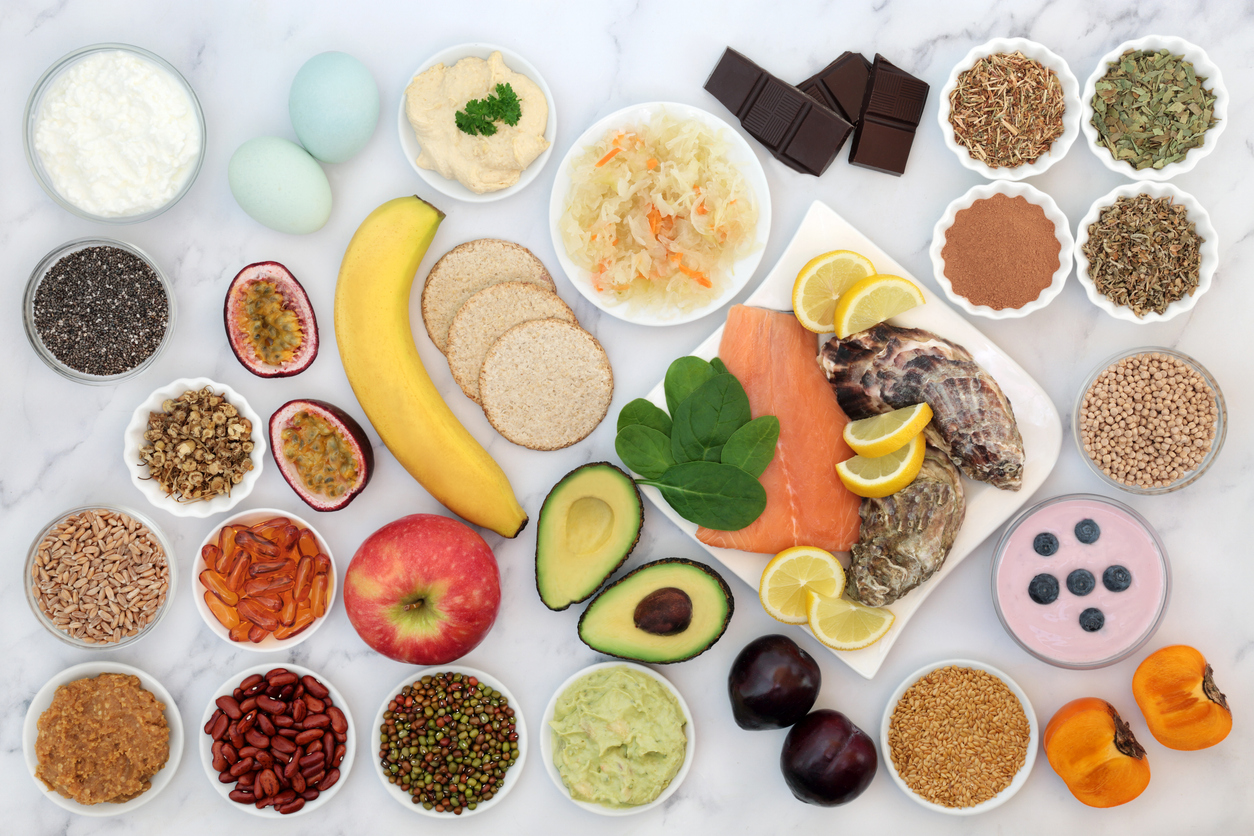
Diversity tends to be the goal. A microbiome with a wide range of bacterial species is generally more resilient and better functioning than one that’s low in variety. Eating a wide range of plant-based foods — different vegetables, legumes, wholegrains, nuts, seeds, and fruits — is one of the most evidence-backed ways to support that diversity.
Ultra-processed foods, chronic stress, and disrupted sleep all tend to work against it.
When it’s worth getting proper support
General gut health advice — eat more fibre, reduce ultra-processed food, manage stress — is useful up to a point. But gut health is highly individual. What helps one person can genuinely make things worse for another, particularly when conditions like IBS, SIBO, or food intolerances are involved.
A nutritionist can help you work out what’s actually going on, identify patterns in your symptoms, and build an approach that’s tailored to your gut specifically — rather than a generic plan that may or may not apply to you.
If your digestion has felt off for a while, or if you’re experiencing several of the signs above, it’s worth having that conversation.
Find a registered nutritionist who specialises in gut health at Nutritionist Directory.
We write rarely, but only the best content.
